Aug 5, 2026Packaging Guide
Glass vs Plastic Cosmetic Packaging: Which Material Is Better for Your Brand?
Compare glass, plastic and aluminum cosmetic packaging materials. Learn which packaging solution is best for skincare, beauty and personal care brands.
Glass vs Plastic Cosmetic Packaging: Which Material Is Better for Your Beauty Brand?
Introduction
Choosing the right packaging material is one of the most important decisions for skincare, beauty and personal care brands.
Packaging not only protects the formula inside but also influences product appearance, brand positioning, customer experience and sustainability goals.
The three most common materials used in cosmetic packaging are glass, plastic and aluminum. Each material has its own advantages depending on product type, brand strategy and market requirements.
Jinmai Packaging provides customized cosmetic packaging solutions including glass bottles, plastic containers and aluminum packaging for global beauty brands.
Glass Cosmetic Packaging: Premium and Elegant Choice
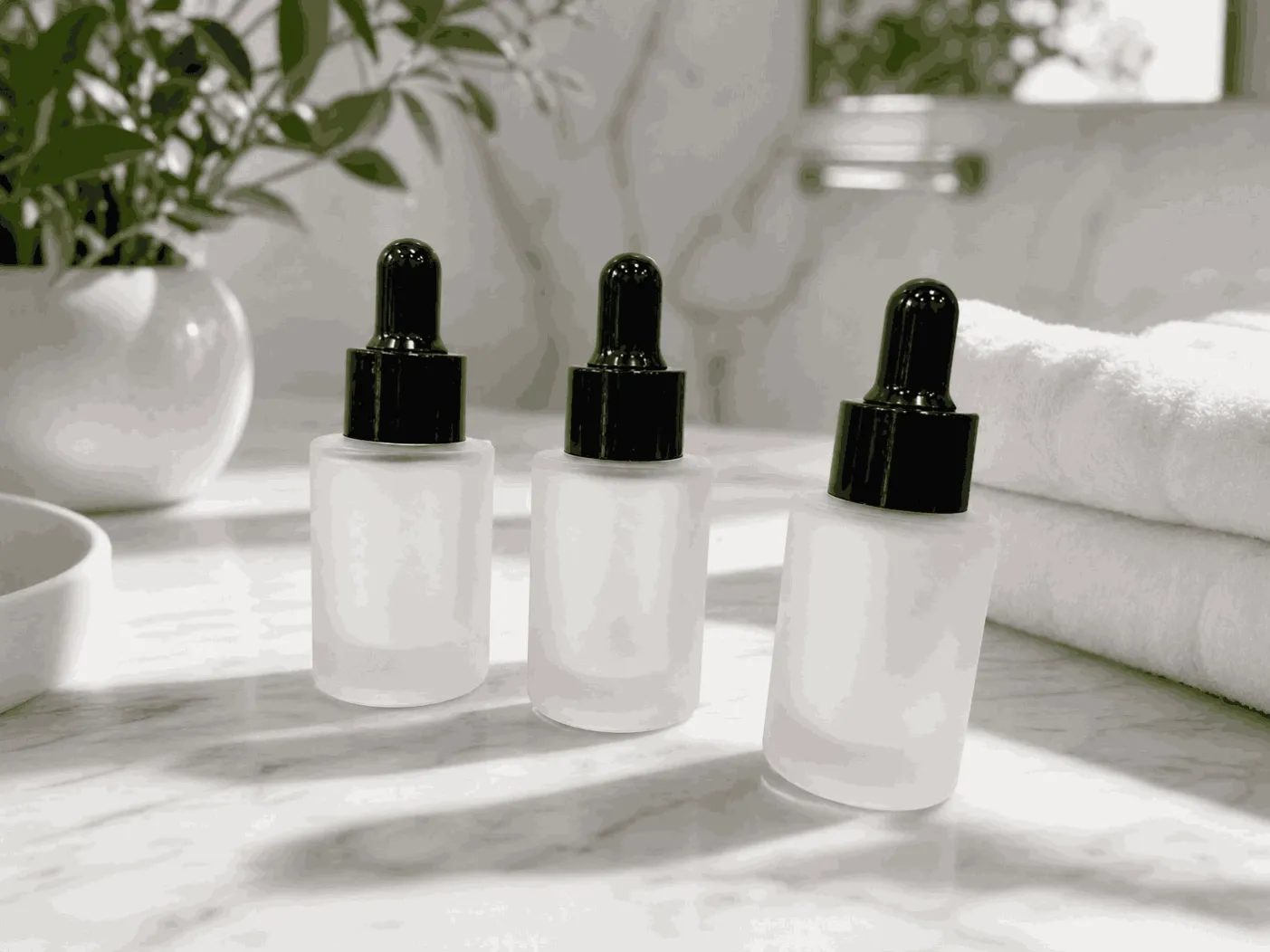
Glass packaging has always been a popular choice for high-end skincare and beauty products.
Advantages of Glass Packaging
Premium Appearance
Glass creates a luxury and sophisticated feeling that helps brands improve product presentation.
It is commonly used for:
- Facial serums
- Essences
- Essential oils
- Premium skincare products
Excellent Product Protection
Glass has excellent chemical stability and can protect formulas from external contamination.
It is suitable for products containing active ingredients that require stable packaging.
Sustainable Material
Glass is recyclable and can support brands looking for environmentally responsible packaging solutions.
Limitations of Glass Packaging
Although glass offers premium advantages, it also has some limitations:
- Heavier than plastic
- Higher transportation cost
- More fragile during handling
For luxury skincare brands, the premium appearance often makes glass a preferred choice.
Plastic Cosmetic Packaging: Flexible and Practical Solution
Plastic packaging is one of the most widely used materials in the beauty industry.
Common plastic materials include:
- PP (Polypropylene)
- PET
- ABS
- Acrylic
Advantages of Plastic Packaging
Lightweight and Durable
Plastic packaging is easy to transport and less likely to break compared with glass.
This makes it suitable for:
- Travel-size products
- Daily care products
- Personal care packaging
Flexible Design Options
Plastic allows manufacturers to create various shapes, colors and structures.
Applications include:
- Deodorant sticks
- Cosmetic jars
- Lotion bottles
- Airless bottles
Cost Efficiency
Plastic packaging usually provides competitive pricing, making it suitable for brands with different production requirements.
Limitations of Plastic Packaging
Some consumers may associate plastic with lower-end products. However, modern manufacturing techniques such as premium finishing, custom colors and decoration can create high-quality plastic packaging designs.
Aluminum Cosmetic Packaging: Sustainable and Modern Choice
Aluminum packaging has become increasingly popular among beauty brands focusing on sustainability and premium design.
Advantages of Aluminum Packaging
Lightweight and Recyclable
Aluminum is lightweight while maintaining excellent durability.
It is widely recognized as a sustainable packaging material.
Premium Appearance
Metallic finishes create a modern and professional appearance.
Common applications include:
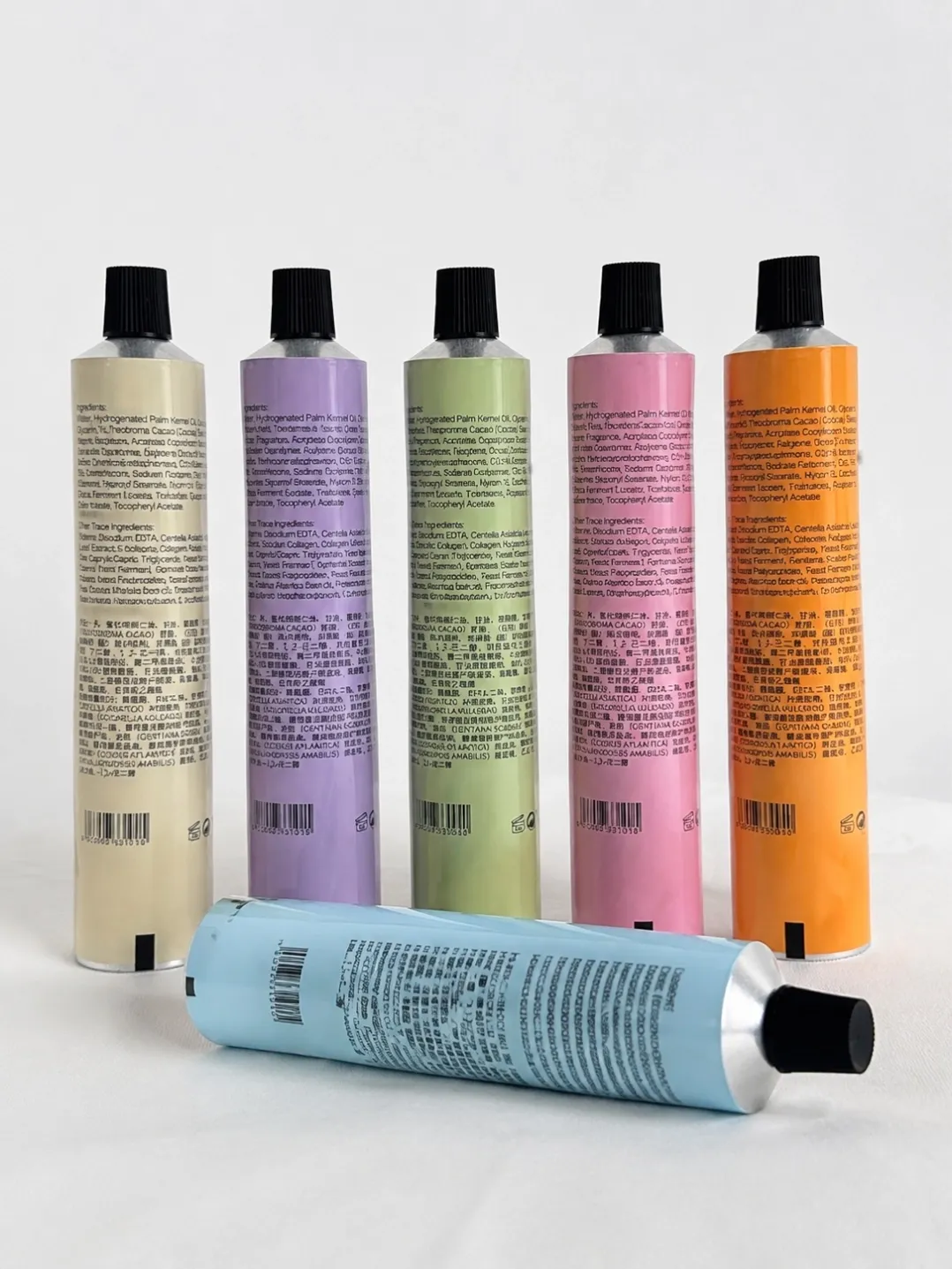
- Aluminum aerosol cans
- Aluminum tubes
- Cosmetic containers
Strong Product Protection
Aluminum provides excellent protection against light and external factors.
It is suitable for various personal care and cosmetic products.
Limitations of Aluminum Packaging
Aluminum packaging may require higher customization processes and is usually selected for brands seeking premium positioning.
Comparison: Glass vs Plastic vs Aluminum
Glass Packaging
Best for:
- Luxury skincare
- Serum products
- Premium beauty brands
Main advantages:
- Elegant appearance
- Excellent stability
- Recyclable
Plastic Packaging
Best for:
- Mass market products
- Personal care products
- Refillable packaging
Main advantages:
- Lightweight
- Flexible design
- Cost effective
Aluminum Packaging
Best for:
- Sustainable beauty brands
- Premium personal care products
- Modern packaging concepts
Main advantages:
- Lightweight
- Recyclable
- Premium appearance
How to Choose the Right Cosmetic Packaging Material?
When selecting packaging materials, brands should consider:
Product Formula
Different formulas require different levels of protection.
For example:
- Serum → Glass dropper bottle
- Cream → Glass jar or aluminum tube
- Deodorant → Refillable PP container
- Spray products → Aluminum aerosol can
Brand Positioning
Luxury brands often prefer glass and aluminum because of their premium appearance.
Growing brands may choose plastic packaging because of flexibility and cost advantages.
Sustainability Goals
Brands focusing on environmental responsibility can consider:
- Refillable plastic packaging
- Recyclable glass packaging
- Aluminum packaging solutions
Why Choose Jinmai Packaging?
Jinmai specializes in customized cosmetic packaging solutions, providing:
- Glass packaging
- Plastic packaging
- Aluminum packaging
- OEM and ODM services
- Custom decoration solutions
With professional manufacturing experience, Jinmai helps skincare, beauty and personal care brands select the right packaging materials for their products.
From concept development to mass production, we provide reliable packaging solutions that support brand growth.
Conclusion
There is no single best cosmetic packaging material for every product.
Glass offers premium elegance, plastic provides flexibility and efficiency, while aluminum delivers sustainability and modern design.
The best choice depends on your product formula, brand positioning and market goals.
Working with an experienced cosmetic packaging manufacturer can help you select the right solution and create packaging that matches your brand vision.