Sep 20, 2026Packaging Guide
Cosmetic Packaging RFQ Checklist: What Buyers Should Include When Requesting a Quote
- A practical RFQ checklist for cosmetic packaging buyers, covering materials, dimensions, closures, decoration, MOQ, samples, quality requirements, packing and delivery.
Cosmetic Packaging RFQ Checklist: What Buyers Should Include When Requesting a Quote
When sourcing cosmetic packaging, many buyers start with a product photo and a simple question: “How much is this?”
However, a quotation based only on a photo is rarely enough for accurate comparison. Packaging cost can change significantly depending on the material, capacity, dimensions, closure, decoration, order quantity, packaging method and quality requirements.
A well-prepared RFQ (Request for Quotation) helps cosmetic brands receive more accurate quotations and makes it easier to compare different suppliers.
This guide explains what buyers should include when requesting quotations for glass, plastic, aluminum and refillable cosmetic packaging.
1. Start With the Product and Application
The first step is to tell the supplier what the packaging will be used for.
For example:
- Serum
- Face cream
- Cleanser
- Body cream
- Hair mask
- Deodorant
- Perfume
- Body spray
- Balm
- Solid skincare products
The application helps the supplier understand the required packaging format and functional requirements.
A 30ml glass bottle for serum may require a dropper or pump, while a 50g jar for face cream may require a cream jar closure.
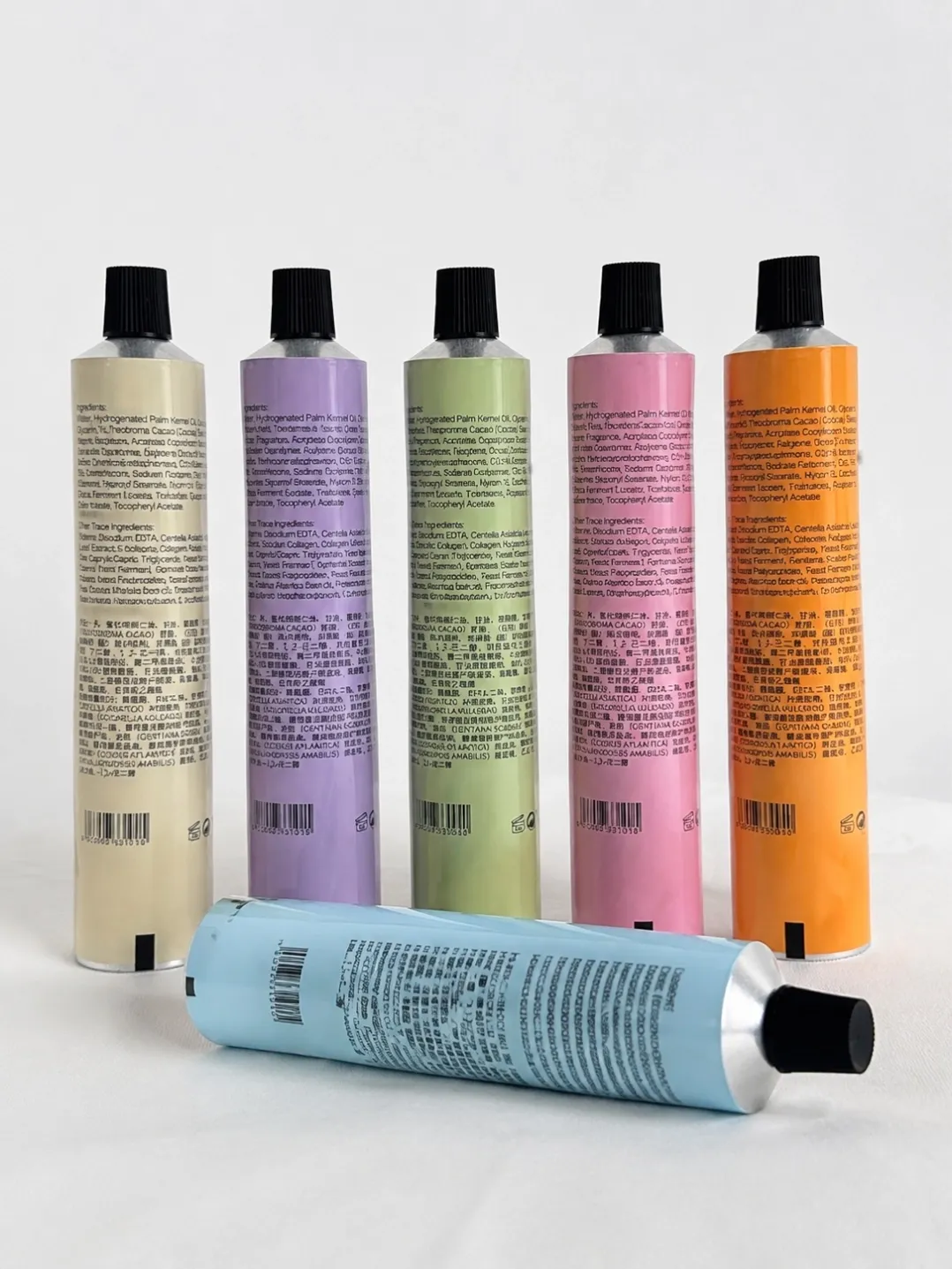
For aluminum collapsible tubes, the formulation and dispensing requirements can also affect the tube structure, inner coating and closure selection.
2. Specify the Material
Do not simply describe the packaging as “cosmetic packaging.”
State the preferred material whenever possible.
Common options include:
- Glass
- PP
- PE
- PET
- Aluminum
- Refillable PP systems
- Other specified materials
If you are open to different materials, tell the supplier.
For example:
Preferred material: Glass Alternative: PP if the cost difference is significant
This allows suppliers to quote according to the same basic requirement.
3. Confirm Capacity and Dimensions
Capacity is one of the most important specifications in a packaging RFQ.
Typical cosmetic packaging capacities include:
- 10ml
- 15ml
- 20ml
- 30ml
- 50ml
- 100ml
- 200ml
For tubes and jars, dimensions can be equally important.
A buyer may need to specify:
- Diameter
- Overall height
- Body height
- Neck size
- Tube length
- Orifice size
- Closure dimensions
For aluminum collapsible tubes, diameter and length can directly affect the available capacity and final appearance.
If you already have a technical drawing, sending the drawing together with the RFQ can reduce misunderstandings.
4. Specify the Closure or Dispensing System
The container is only one part of a cosmetic packaging system.
Depending on the product, the packaging may include:
- Pump
- Dropper
- Screw cap
- Flip-top cap
- Nozzle
- Spray actuator
- Aerosol valve
- Cream jar cap
- Refill inner component
For pumps and droppers, buyers should also consider:
- Neck size
- Dosage
- Tube length
- Closure color
- Material
- Surface finish
- Compatibility with the container
If the closure is supplied together with the container, ask the supplier to quote the complete set rather than only the bottle or jar.
5. Define the Decoration Requirements
Decoration can have a significant impact on both price and lead time.
When requesting a quotation, specify whether you need:
- Screen printing
- Offset printing
- Hot stamping
- Frosting
- Coating
- Electroplating
- Labeling
- Custom color
- Metallic finish
- Matte finish
- Gloss finish
For custom colors, provide a Pantone reference whenever possible.
For printing, provide the number of colors and artwork requirements.
A quotation for an undecorated stock container should not be directly compared with a quotation that includes multiple decoration processes.
6. State the Order Quantity
Always include the expected quantity in the RFQ.
For example:
5,000 pcs 10,000 pcs 20,000 pcs 50,000 pcs
If you are planning multiple orders, also provide an estimated annual quantity.
For example:
First order: 10,000 pcs Estimated annual volume: 50,000 pcs
This gives the supplier a better understanding of the project and may allow different pricing options to be considered.
Buyers should also ask whether MOQ applies to:
- Total order quantity
- Each size
- Each color
- Each decoration design
- Each SKU
This is especially important when launching several products at the same time.
7. Ask for Sample Availability
Before placing a bulk order, request samples whenever possible.
The sample should be used to check more than appearance.
Buyers can evaluate:
- Dimensions
- Capacity
- Closure fit
- Pump or dropper function
- Surface finish
- Decoration
- Color
- Filling compatibility
- Overall appearance
If a decorated sample is required, confirm whether the supplier is providing a production-style sample or a simple stock sample.
A stock sample can confirm the basic structure, but it may not represent the final decoration or custom color.
8. Confirm Quality Control Requirements
Quality requirements should be discussed before mass production, not after production is completed.
Depending on the packaging type, buyers may want to confirm:
Glass packaging
- Glass appearance
- Cracks or chips
- Bubbles or visible defects
- Dimensions
- Weight
- Neck finish
- Closure fit
- Cleanliness
Plastic packaging
- Material
- Color consistency
- Dimensions
- Surface defects
- Warping
- Closure fit
- Functionality
Aluminum packaging
- Tube dimensions
- Surface appearance
- Printing quality
- Coating
- Closure fit
- Sealing
- Foreign particles
- Overall deformation
The acceptance criteria should be agreed before production whenever possible.
9. Ask About Packaging and Shipment Protection
The final packaging method can affect product condition when the goods arrive.
Ask the supplier to confirm:
- Inner packaging
- Carton quantity
- Carton dimensions
- Protective materials
- Pallet requirements
- Carton markings
- Loading method
For glass packaging in particular, protective packing is important because the products are more vulnerable to breakage during transportation.
For decorated packaging, buyers should also consider whether the packaging method protects the printed or coated surface from scratching.
10. Confirm Lead Time and Production Schedule
Ask for the lead time based on the exact order requirements.
A supplier may have different lead times for:
- Stock products
- Custom colors
- Custom decoration
- New molds
- Custom components
- Large-volume orders
Also ask when the lead time starts.
For example:
After PO confirmation? After deposit? After artwork approval? After sample approval?
This avoids misunderstandings when planning a product launch.
11. Ask What Is Included in the Quotation
Two suppliers may provide different prices because their quotations include different items.
Before comparing prices, confirm whether the quotation includes:
- Container
- Closure
- Decoration
- Inner components
- Individual packing
- Cartons
- Samples
- Tooling
- Inspection
- Shipping
- Other additional charges
For example, a price for a glass bottle without a dropper should not be compared directly with a complete bottle-and-dropper set.
Always compare the same packaging specification.
12. Confirm Shipping Terms
For international orders, buyers should also specify the expected shipping terms.
Depending on the project, the quotation may be based on:
- EXW
- FOB
- CIF
- DDP
- Other agreed Incoterms
The supplier should also know the destination country or port when freight needs to be included.
The same packaging product can have a significantly different landed cost depending on shipping method, destination and order quantity.
13. A Simple Cosmetic Packaging RFQ Checklist
Before sending an RFQ, buyers can prepare the following information:
Item | Information to Provide |
|---|---|
Product | Serum, cream, deodorant, perfume, etc. |
Packaging type | Bottle, jar, tube, aerosol can, stick, etc. |
Material | Glass, PP, PE, PET, aluminum, etc. |
Capacity | 10ml, 30ml, 50g, 100ml, etc. |
Dimensions | Diameter, height, neck size, tube length, etc. |
Closure | Pump, dropper, cap, nozzle, spray, etc. |
Decoration | Printing, frosting, coating, hot stamping, etc. |
Color | Standard color or Pantone reference |
Quantity | First order and estimated annual volume |
Sample | Stock sample or decorated sample |
Quality | Inspection requirements and acceptance criteria |
Packing | Inner packing, cartons and protection |
Destination | Country or port |
Delivery | Required delivery schedule |
Documents | Required quality or compliance documents |
14. What Buyers Should Send to a Supplier
A good RFQ does not need to be complicated.
For example:
Product: 30ml glass serum bottle Material: Glass Capacity: 30ml Closure: Dropper Color: Clear glass, black dropper Decoration: One-color screen printing Quantity: 20,000 sets Sample: 10 sets required Destination: Europe Requirement: Please quote product price, decoration cost, MOQ, sample lead time, bulk lead time and packing details.
This gives the supplier enough information to prepare a much more useful quotation.
15. Why a Detailed RFQ Helps Buyers
A detailed RFQ does more than help suppliers calculate a price.
It also allows buyers to compare suppliers more fairly.
Instead of asking:
“Which supplier has the lowest price?”
buyers can compare:
- Same material
- Same capacity
- Same components
- Same decoration
- Same quantity
- Same quality requirements
- Same packing requirements
- Same delivery terms
This creates a more meaningful supplier comparison.
The lowest unit price is not necessarily the lowest total packaging cost if it requires additional decoration charges, higher MOQ, longer lead time, weaker packing or more production adjustments.
Final Takeaway
A successful cosmetic packaging purchase starts with a clear specification.
Before requesting quotations, define the product application, material, capacity, dimensions, closure, decoration, quantity, quality requirements and delivery expectations.
For glass, plastic, aluminum and refillable packaging, the same principle applies:
Compare suppliers based on the complete packaging specification—not just the unit price.
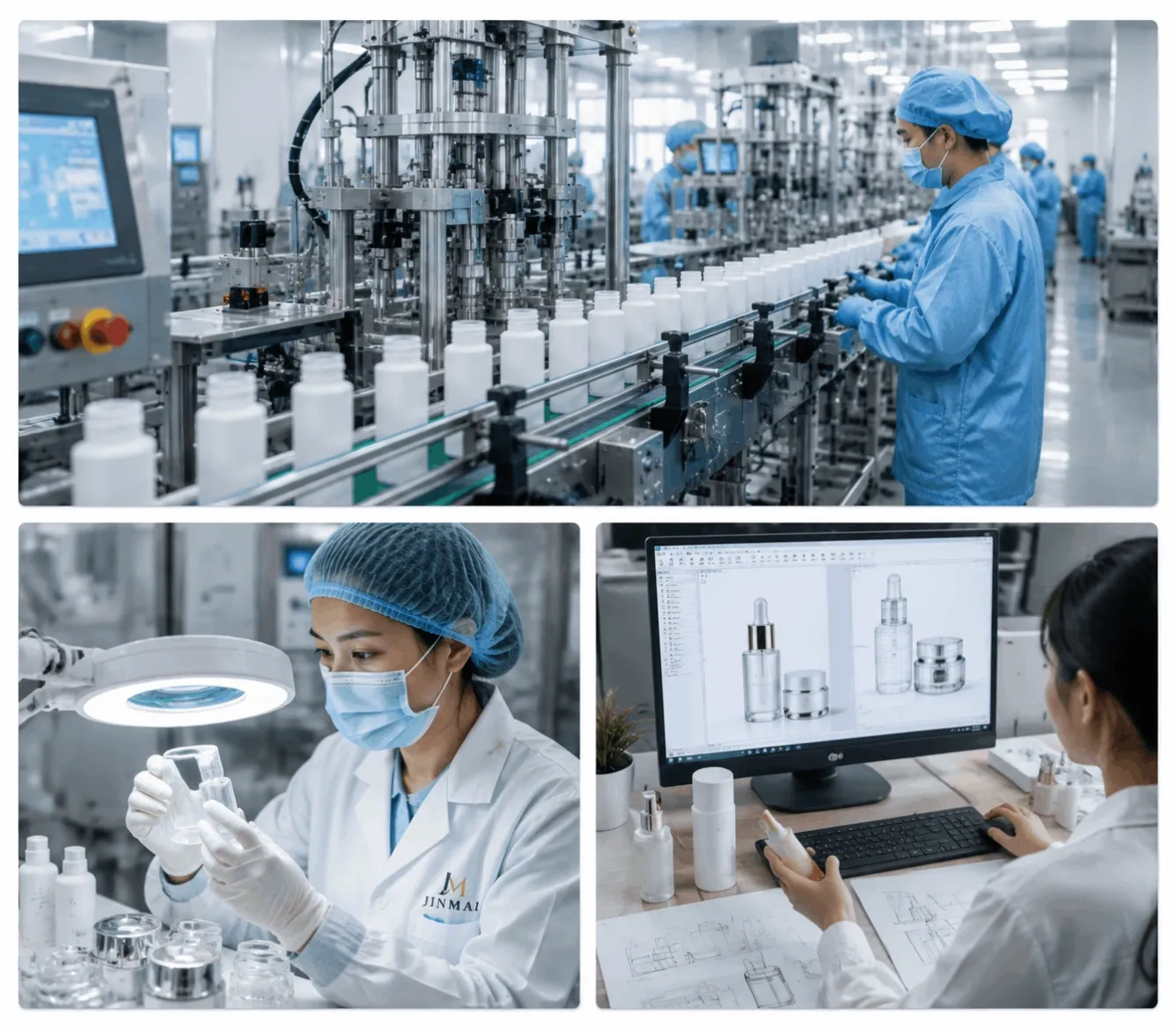
Jinmai Packaging provides customized glass, plastic and aluminum packaging solutions for skincare, beauty and personal care brands. For product specifications, samples or quotation requests, contact our team with your packaging requirements.
Related Packaging Guides
- Aluminum tube sizes and capacities
- Glass cosmetic jars for skincare and beauty brands