Sep 21, 2026Materials&Technology
How Are Glass Cosmetic Bottles Made? A Step-by-Step Manufacturing Process
Learn how glass cosmetic bottles are manufactured, from raw material preparation and glass forming to annealing, decoration, quality inspection and final packing.
How Are Glass Cosmetic Bottles Made? A Step-by-Step Manufacturing Process
Glass cosmetic bottles are produced through a controlled series of processes, from raw material preparation and melting to glass forming, annealing, decoration and final inspection.
For cosmetic packaging buyers, understanding these steps helps explain why bottle specifications, neck finishes, decoration and quality standards need to be confirmed before production.
Glass Cosmetic Bottle Manufacturing Process
The basic production flow is:
Raw Materials → Batch Mixing → Melting → Glass Forming → Annealing → Surface Treatment → Decoration → Inspection → Packing
Each stage has a different purpose.
1. Raw Materials and Batch Preparation
The main raw material for glass is silica sand. Other materials such as soda ash and limestone are added to achieve the required glass composition.
Recycled glass, known as cullet, can also be incorporated into the batch.
The materials are measured and mixed before entering the melting process. Consistent batch preparation helps maintain stable glass properties and appearance during production.
2. Glass Melting
The prepared batch enters a high-temperature furnace.
The materials melt and combine to form a homogeneous molten glass. The temperature and condition of the molten glass need to remain controlled so that it can be formed consistently.
At this stage, the glass is no longer a dry mixture but a continuous molten material ready for forming.
3. Glass Forming
The molten glass is divided into controlled portions called gobs.
Each gob is transferred into a mold and formed into the required bottle shape.
This is where the basic geometry of the cosmetic bottle is created, including:
- Body diameter
- Bottle height
- Shoulder shape
- Base design
- Neck finish
- Overall capacity
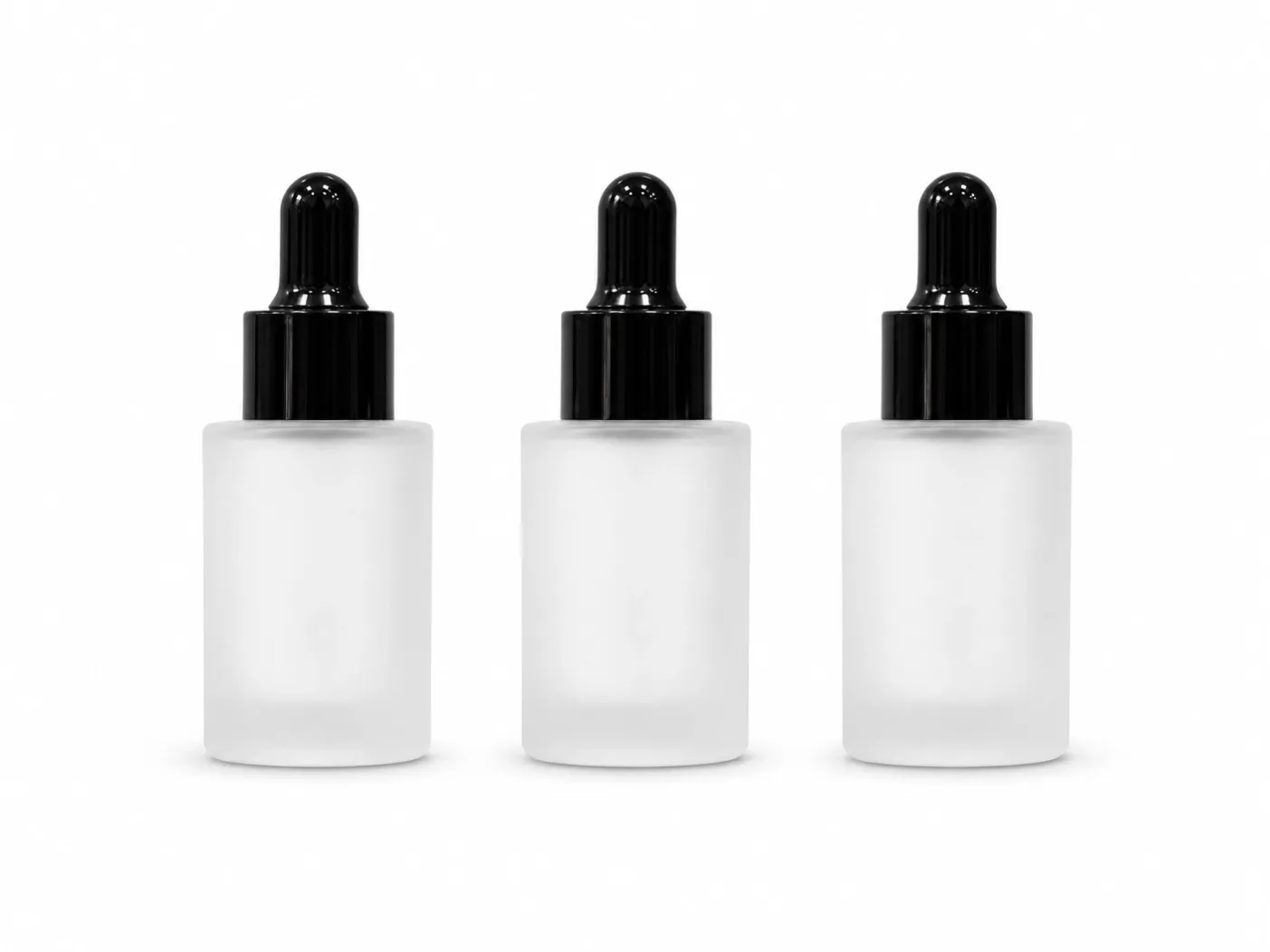
For cosmetic packaging, the neck finish is particularly important because it determines compatibility with components such as pumps, droppers and caps.
A bottle and its closure therefore need to be developed as a compatible packaging system.
4. Annealing
After forming, the newly produced bottle is gradually cooled through an annealing process.
Rapid temperature changes can create internal stress in glass. Annealing allows the temperature to decrease in a controlled manner and helps reduce this stress.
This step is important for producing stable glass containers that can proceed to subsequent handling and inspection.
5. Surface Treatment
Once the basic glass container has been produced, additional surface treatments can be applied depending on the required appearance.
Common options include:
- Frosting
- Spray coating
- Color coating
- Metallic finishes
- Other customized surface treatments
The treatment selected depends on the brand's visual requirements and the intended product design.
6. Decoration and Branding
Glass cosmetic packaging can be decorated using different processes.
Common decoration methods include:
- Screen printing
- Hot stamping
- Labeling
- Customized coating
- Multi-color printing
Decoration requirements should be defined before quotation because they can affect both production cost and lead time.
For example, a clear glass bottle with no decoration is a very different production specification from a colored bottle with frosting and multi-color printing.
7. Inspection
After the manufacturing and decoration processes, finished bottles are inspected according to the agreed quality requirements.
Typical inspection points include:
Appearance
Checking for cracks, chips, scratches, excessive bubbles, visible inclusions and other unacceptable defects.
Dimensions
Checking critical measurements such as diameter, height and neck dimensions.
Weight and Capacity
Confirming that the finished bottle is within the agreed specification.
Neck Finish
Checking that the bottle is compatible with the specified pump, dropper or cap.
Decoration
Checking printing position, color, logo appearance and surface finish where applicable.
The exact acceptance criteria should be agreed before mass production.
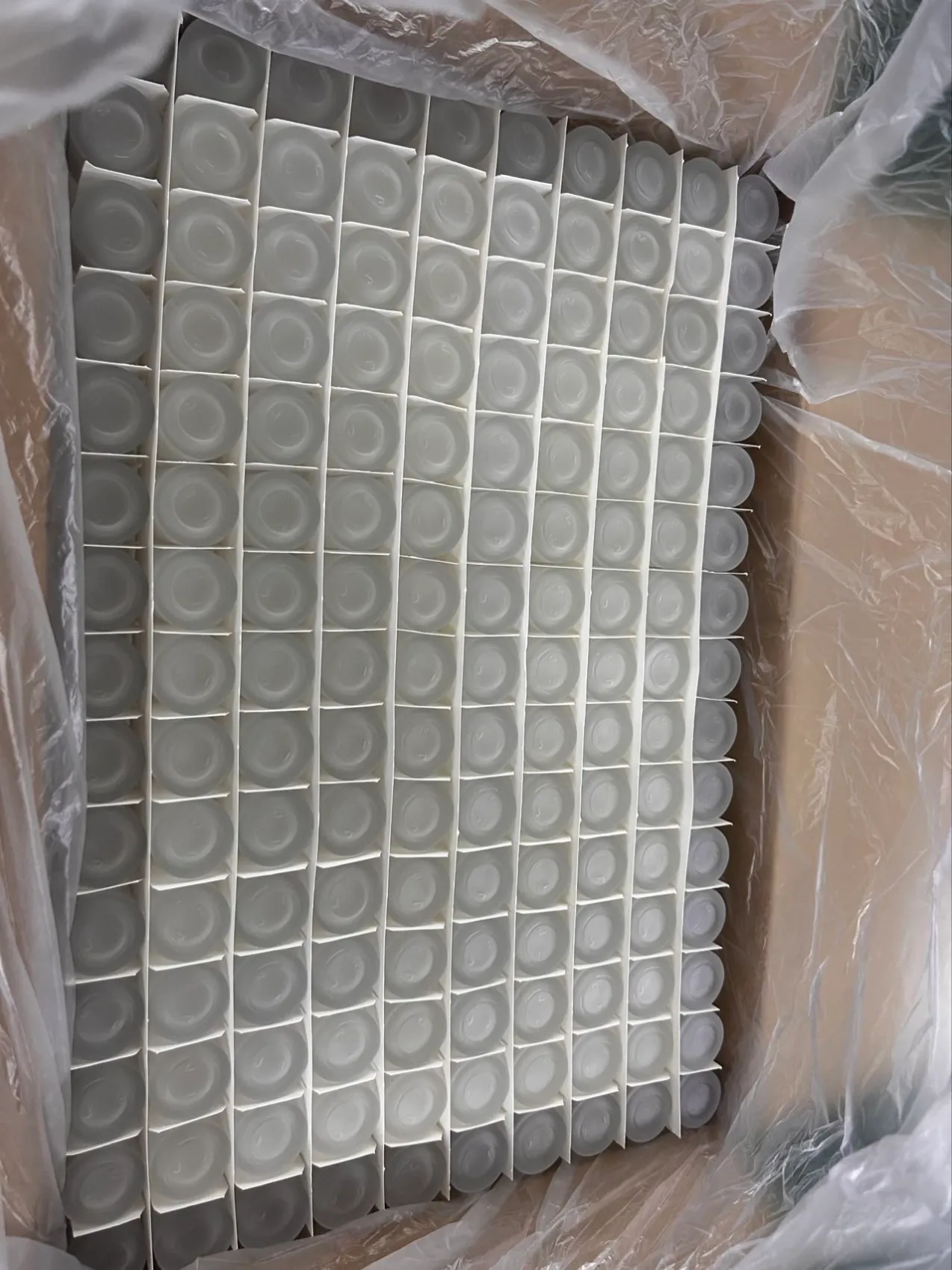
8. Cleaning and Packing
After inspection, the bottles are prepared for shipment.
Depending on the project requirements, protective materials and cartons can be used to reduce the risk of damage during transportation.
For glass packaging, packing is particularly important because the material is more vulnerable to impact than many plastic packaging formats.
What Buyers Should Understand From the Manufacturing Process
The manufacturing process explains why several specifications should be confirmed before ordering.
Bottle Design
Capacity, diameter, height and shoulder design should be confirmed before production.
Neck Finish
The bottle neck must match the selected closure.
For example:
Glass Bottle + Pump
or
should be treated as a complete packaging system rather than two unrelated components.
Decoration
Color, frosting, coating and printing should be specified before quotation so suppliers can calculate the correct production cost.
Quality Standard
Appearance tolerances, dimensional tolerances and decoration requirements should be agreed before mass production.
From Glass Manufacturing to Finished Cosmetic Packaging
Glass cosmetic bottle production is not a single process.
It is a sequence:
Raw Materials
↓
Batch Mixing
↓
Melting
↓
Glass Forming
↓
Annealing
↓
Surface Treatment
↓
Decoration
↓
Inspection
↓
Cleaning & Packing
Each stage contributes to the final packaging quality.
For cosmetic brands, understanding this process makes it easier to communicate technical requirements with a packaging supplier and compare quotations based on the same specifications.
Glass Cosmetic Packaging from Jinmai
Jinmai Packaging provides customized glass packaging for skincare, beauty and personal care brands, including glass serum bottles, dropper bottles and cosmetic jars.
We support projects involving bottle specifications, closures, decoration, quality inspection and packaging requirements.
For a quotation, buyers can provide the required capacity, dimensions, closure, decoration, quantity and target delivery schedule.
Related Guides
- Glass Bottle Quality Control: How We Ensure Clean, Inspected and Ready-to-Use Cosmetic Packaging
- How to Choose the Right Glass Bottle for Skincare Products
- Glass Cosmetic Jars: A Practical Guide for Skincare & Beauty Brands